
Estimated Read Time: 26 minutes | Target Exam: USMLE Step 1 & Step 2 CK | Level: Beginner to Advanced | Last Updated: 2026
Why the Respiratory System Is a Score Multiplier on USMLE
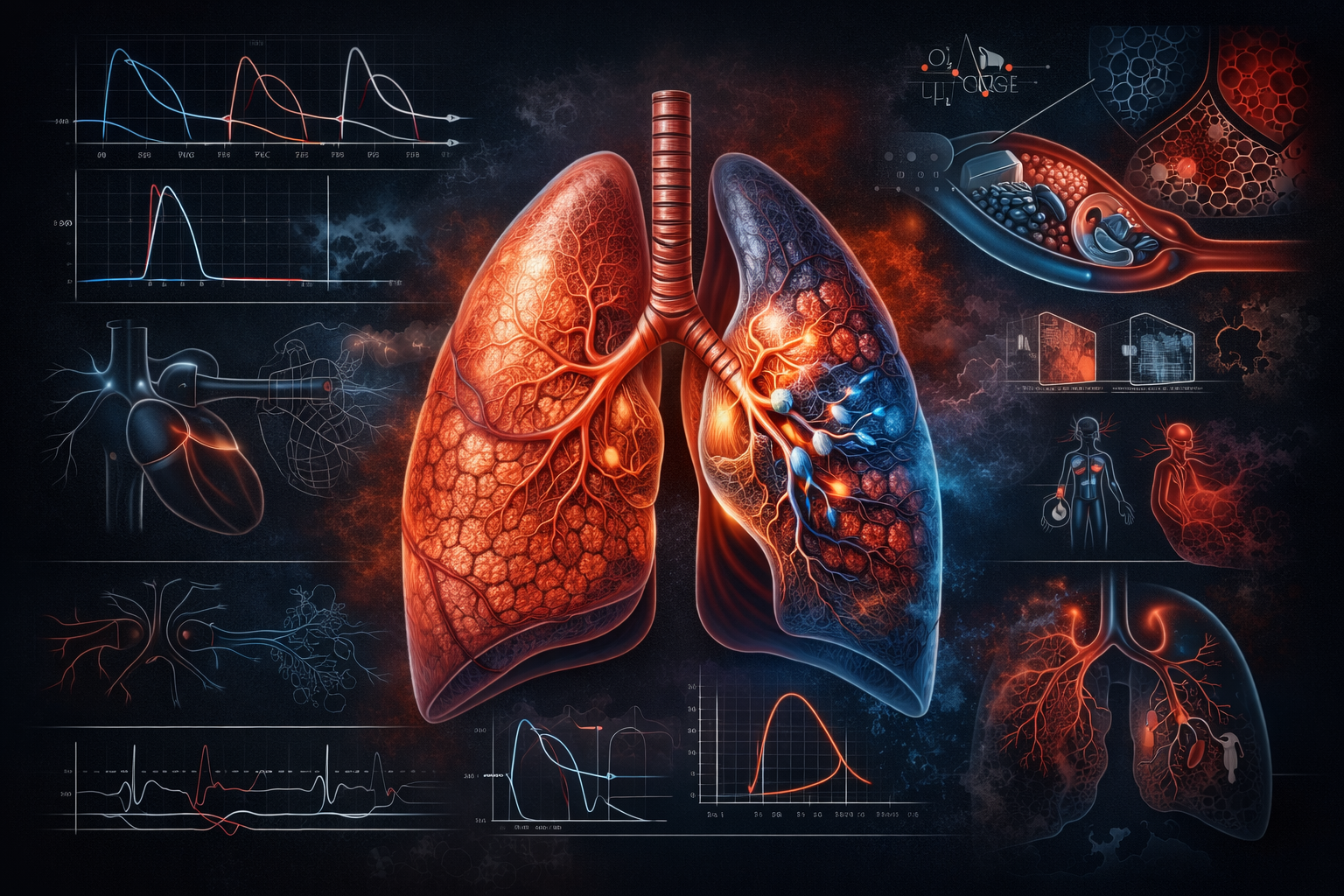
The respiratory system is one of the most versatile and consistently tested organ systems on USMLE Step 1 and Step 2 CK. The NBME content outline allocates approximately 8–10% of Step 1 questions to the pulmonary system — but that number significantly understates the respiratory system’s true reach across the exam.
Here is what makes pulmonology uniquely powerful for your USMLE score:
Respiratory questions integrate every discipline. A single vignette about a patient with shortness of breath might require you to interpret pulmonary function tests (physiology), identify the histological pattern of lung injury (pathology), choose the correct antibiotic for a pneumonia organism (microbiology + pharmacology), and recognize the autoimmune mechanism driving interstitial lung disease (immunology). One question — five disciplines.
Pulmonary physiology is foundational to Step 1. Ventilation-perfusion ratios, the alveolar gas equation, oxygen-hemoglobin dissociation curve shifts, and acid-base disorders are pure physiology questions that appear on every Step 1 exam administration. Students who master these concepts answer 15–20 questions correctly that students who don’t know them miss entirely.
Respiratory pathology connects directly to Step 2 CK clinical management. COPD exacerbations, pneumonia treatment, pulmonary embolism risk stratification, lung cancer staging, and respiratory failure management are among the highest-yield Step 2 CK topics. The investment in respiratory system mastery pays dividends across both exams.
This guide delivers exactly what the keyword promises: real USMLE-style respiratory system questions with detailed explanations — organized across the highest-yield pulmonary topics, with the mechanisms, clinical patterns, and board-specific pearls that transform the respiratory system from a collection of isolated facts into a coherent, scoring framework.
How the NBME Tests the Respiratory System: 5 Core Question Patterns
Understanding how the NBME structures respiratory questions changes how you approach every vignette.
Pattern 1 — The PFT Interpretation Question A patient’s pulmonary function test values are given (FEV1, FVC, FEV1/FVC ratio, TLC, DLCO) and you must identify the pattern (obstructive vs. restrictive), the specific disease, and sometimes the mechanism of a specific abnormal value. These questions reward students who understand WHY each value changes in each disease, not just what the numbers show.
Pattern 2 — The Imaging + Histology Integration A CXR or CT finding is described along with a histological pattern, and you must connect them to a specific diagnosis. “Honeycombing on CT + UIP pattern on biopsy” requires you to immediately think IPF, not just “interstitial lung disease.”
Pattern 3 — The Oxygen Physiology Question A clinical scenario (altitude, carbon monoxide poisoning, anemia, high fever) shifts the oxygen-hemoglobin dissociation curve, and you must determine the direction of the shift and its clinical consequence. These are pure physiology questions that appear on essentially every Step 1 administration.
Pattern 4 — The Pneumonia Organism Identification Question Clinical features (patient demographics, exposure history, onset pattern, CXR appearance, sputum gram stain) are given and you must identify the causative organism and choose the correct antibiotic. The NBME has specific “tell” features for each pneumonia organism — knowing those tells turns these into free points.
Pattern 5 — The Lung Cancer Classification Question A smoking history + specific clinical feature (hemoptysis, Horner syndrome, superior sulcus tumor, PTHrP secretion, SIADH, hypercalcemia) + location in the lung is given, and you must identify the lung cancer type and its associated paraneoplastic syndrome. These questions are completely predictable once you know the associations.
All five patterns appear in the questions below.
USMLE Respiratory System Questions with Detailed Explanations
🫁 QUESTION 1 — Pulmonary Function Tests: Obstructive vs. Restrictive
A 68-year-old man with a 50-pack-year smoking history presents with progressive dyspnea and chronic productive cough. Pulmonary function testing shows: FEV1 = 1.2 L (42% predicted), FVC = 2.8 L (78% predicted), FEV1/FVC = 0.43, TLC = 7.2 L (elevated), RV = 3.8 L (elevated), DLCO = 38% predicted (severely reduced). Which of the following best explains the severely reduced DLCO in this patient compared to a patient with chronic bronchitis who has a similar FEV1/FVC ratio?
A) Mucous hypersecretion in large airways reduces surface area for gas exchange
B) Bronchial smooth muscle hypertrophy reduces airflow to alveoli
C) Destruction of alveolar walls reduces the surface area and capillary bed available for gas exchange
D) Pulmonary hypertension reduces blood flow through the capillary bed
E) Airway collapse during exhalation traps carbon monoxide in the alveoli
✅ Correct Answer: C — Destruction of alveolar walls reduces the surface area and capillary bed available for gas exchange
Detailed Explanation:
This question tests one of the most important and most frequently examined distinctions in pulmonology — the difference between emphysema and chronic bronchitis, both of which cause obstructive physiology but differ critically in DLCO.
What DLCO measures: DLCO (Diffusing Capacity for Carbon Monoxide) measures the ability of the lungs to transfer gas across the alveolar-capillary membrane. It reflects three things:
- Surface area of the alveolar-capillary interface
- Thickness of the diffusion barrier
- Hemoglobin in the capillary blood (CO binds hemoglobin)
Emphysema mechanism: Emphysema is caused by destruction of alveolar walls by proteases (neutrophil elastase, macrophage metalloproteinases) released in response to cigarette smoke. This causes:
- Loss of alveolar surface area (less membrane for gas exchange) → decreased DLCO
- Loss of elastic recoil → air trapping → increased TLC and RV
- Small airway collapse during exhalation → obstructive pattern (decreased FEV1/FVC)
Chronic bronchitis mechanism: Chronic bronchitis is defined clinically as productive cough for ≥ 3 months/year for ≥ 2 consecutive years. The pathology is mucous gland hypertrophy (Reid index > 0.5) in large airways. The alveolar walls are INTACT — the alveolar surface area and capillary bed are preserved. Therefore:
- DLCO is normal in pure chronic bronchitis
- Obstruction comes from mucus plugging and airway narrowing — not alveolar destruction
The Definitive DLCO Table for USMLE:
| Condition | FEV1/FVC | TLC | DLCO | Key Mechanism |
|---|---|---|---|---|
| Emphysema | Decreased | Increased | Decreased | Alveolar wall destruction |
| Chronic Bronchitis | Decreased | Normal/↑ | Normal | Mucous gland hypertrophy — walls intact |
| Asthma | Decreased (reversible) | Normal/↑ | Normal | Bronchospasm — no parenchymal damage |
| IPF / Pulmonary Fibrosis | Normal or ↑ | Decreased | Decreased | Fibrosis increases diffusion distance |
| Sarcoidosis | Normal or restrictive | Decreased | Decreased | Granulomas + fibrosis in interstitium |
| Pulmonary Hypertension | Normal | Normal | Decreased | Reduced capillary bed perfusion |
| Anemia | Normal | Normal | Decreased | Less Hgb to bind CO (not true membrane problem) |
| Polycythemia | Normal | Normal | Increased | More Hgb to bind CO |
USMLE Pearl: The FEV1/FVC ratio tells you obstructive vs. restrictive. The DLCO tells you whether parenchyma is destroyed (emphysema, fibrosis, PH) vs. intact (pure bronchitis, asthma). Master this distinction and you will correctly answer dozens of PFT questions.
🫁 QUESTION 2 — Oxygen-Hemoglobin Dissociation Curve
A 24-year-old mountain climber ascends to 4,500 meters (14,800 feet) above sea level. Over the next 48 hours, his body begins to acclimatize. Which of the following physiological responses to high altitude will shift the oxygen-hemoglobin dissociation curve to the RIGHT, facilitating oxygen unloading to peripheral tissues?
A) Decreased PaCO2 from hyperventilation causing respiratory alkalosis
B) Increased 2,3-bisphosphoglycerate (2,3-BPG) production in red blood cells
C) Decreased body temperature from cold exposure at altitude
D) Increased pH from bicarbonate retention by the kidneys
E) Decreased hemoglobin concentration from hemodilution
✅ Correct Answer: B — Increased 2,3-bisphosphoglycerate (2,3-BPG) production in red blood cells
Detailed Explanation:
The oxygen-hemoglobin dissociation curve is one of the most reliably tested physiological concepts on Step 1. This question is elegant because it tests whether you understand the competing physiological changes that occur at altitude and which direction each one shifts the curve.
At High Altitude — Competing Forces:
The body responds to hypoxia with hyperventilation → decreased PaCO2 → respiratory alkalosis (increased pH). Both decreased CO2 and increased pH shift the curve to the LEFT (increased O2 affinity — Hgb holds O2 more tightly). Left shift = harder to unload O2 to tissues = bad for peripheral oxygen delivery despite the increased ventilation.
To compensate, the body increases 2,3-BPG production in red blood cells over 24–48 hours. 2,3-BPG binds to deoxyhemoglobin and stabilizes the tense (T) state, reducing hemoglobin’s affinity for oxygen. This shifts the curve to the RIGHT — facilitating oxygen unloading at tissues despite the lower PaO2.
The RIGHT Shift Mnemonic — “CADET, face RIGHT”:
- CO2 increased
- Acid (decreased pH)
- DPG (2,3-DPG / 2,3-BPG) increased
- Exercise (increased temperature, CO2, lactic acid)
- Temperature increased
Left Shift (increased O2 affinity — holds O2 tightly, hard to unload):
- Decreased CO2, decreased temperature, increased pH (alkalosis)
- Fetal hemoglobin (HbF) — has gamma chains instead of beta chains; lower affinity for 2,3-BPG → higher O2 affinity than adult HbA → left shift → allows placenta to extract O2 from maternal blood
- Carboxyhemoglobin (CO poisoning) — CO binds Hgb with 200x affinity of O2; also shifts curve left (Haldane effect)
- Methemoglobin — Fe3+ instead of Fe2+; can’t bind O2; shifts remaining normal Hgb left
Why the other choices are wrong:
- A (Decreased PaCO2): Shifts curve LEFT (less CO2 = more O2 affinity)
- C (Decreased temperature): Shifts curve LEFT (cold = increased O2 affinity — tissues need less O2 in cold)
- D (Increased pH): Shifts curve LEFT (alkalosis = increased O2 affinity)
- E (Decreased Hgb): Reduces total oxygen carrying capacity but does NOT shift the curve; it shifts the whole oxygen content downward proportionally
Clinical Applications:
| Condition | Curve Shift | Mechanism | Clinical Consequence |
|---|---|---|---|
| High altitude (acclimatized) | Right (2,3-BPG) | Compensatory | Better O2 unloading to tissues |
| CO poisoning | Left | CO binds Hgb; Haldane effect | Tissue hypoxia despite “normal” Hgb |
| Fever/sepsis | Right | Temperature, CO2, acidosis | Facilitates O2 delivery to metabolically active tissues |
| Blood transfusion (stored blood) | Left initially | Stored RBCs have low 2,3-BPG | May impair O2 delivery; normalizes within 24h |
| Fetal hemoglobin | Left | Low 2,3-BPG affinity | Allows placental O2 transfer from mother to fetus |
🫁 QUESTION 3 — Pneumonia: Organism Identification
A 72-year-old nursing home resident with diabetes and a history of stroke (leaving him with dysphagia) is brought to the ER with fever (39.8°C), productive cough with foul-smelling sputum, and right lower lobe infiltrate with a small cavity on CXR. His oxygen saturation is 91% on room air. Which organism and antibiotic combination is most appropriate?
A) Streptococcus pneumoniae — ceftriaxone + azithromycin
B) Legionella pneumophila — azithromycin monotherapy
C) Klebsiella pneumoniae — ceftriaxone monotherapy
D) Anaerobic organisms (Bacteroides, Fusobacterium, Peptostreptococcus) — ampicillin-sulbactam or clindamycin
E) Pneumocystis jirovecii — trimethoprim-sulfamethoxazole
✅ Correct Answer: D — Anaerobic organisms — ampicillin-sulbactam or clindamycin
Detailed Explanation:
This is an aspiration pneumonia question — and the clinical clues are unmistakable once you know what to look for.
The Three Diagnostic Clues:
- Dysphagia from stroke → aspiration risk (food/secretions enter airway instead of esophagus)
- Foul-smelling sputum — the most specific clue for anaerobic infection (anaerobes produce putrid-smelling metabolic products)
- Cavitation — anaerobic bacteria are necrotizing; they liquefy lung tissue, forming lung abscesses with cavities
Aspiration Pneumonia vs. Aspiration Pneumonitis:
- Pneumonitis: Chemical injury from acidic gastric contents (Mendelson syndrome); no bacteria initially; treat supportively (no antibiotics unless superinfection develops)
- Pneumonia: Bacterial infection from aspirated oropharyngeal flora (anaerobes); treat with antibiotics targeting anaerobes
Which Lobe Is Affected? The most commonly aspirated-into lobes depend on position:
- Upright/sitting: Right lower lobe (most common — right bronchus is more vertical and wider)
- Lying on right side: Right upper lobe posterior segment or right lower lobe
- Lying on left side: Left lower lobe
- Supine: Posterior segments of upper lobes or superior segments of lower lobes
Pneumonia Organism Quick Reference — The USMLE “Tell” Features:
| Organism | Population | Key Features | CXR | Treatment |
|---|---|---|---|---|
| S. pneumoniae | Any age, elderly, post-splenectomy | Lobar consolidation, rust-colored sputum, diplococci | Lobar consolidation | Amoxicillin (outpatient), Ceftriaxone + Azithromycin (inpatient) |
| Haemophilus influenzae | COPD, elderly, smokers | Exacerbation of underlying lung disease | Bronchopneumonia | Amoxicillin-clavulanate, fluoroquinolone |
| Klebsiella pneumoniae | Alcoholics, diabetics, nursing homes | “Currant jelly” sputum (bloody mucoid), upper lobe, cavitation | Bulging fissure sign | Cephalosporins + aminoglycoside |
| Legionella pneumophila | Hotels, cruise ships, AC systems | Hyponatremia, diarrhea, mental status changes, no response to beta-lactams | Multilobar | Azithromycin or fluoroquinolone (NOT beta-lactams) |
| Mycoplasma pneumoniae | Young adults, college students | “Walking pneumonia,” gradual onset, extrapulmonary features (cold agglutinins → hemolysis) | Interstitial bilateral, worse than symptoms suggest | Azithromycin, doxycycline |
| Chlamydophila pneumoniae | Young adults, military | Similar to Mycoplasma; pharyngitis preceding | Interstitial | Azithromycin, doxycycline |
| S. aureus | Post-influenza, IV drug users, CF | Multilobar, rapidly cavitating, empyema | Bilateral cavities | Vancomycin (MRSA) or nafcillin (MSSA) |
| Pseudomonas | CF, bronchiectasis, hospital-acquired | Gram-negative rod; blue-green sputum | Bilateral lower lobe | Anti-pseudomonal beta-lactam + aminoglycoside |
| Anaerobes | Aspiration (dysphagia, alcoholism, seizures) | Foul-smelling sputum, cavitation, lung abscess | Cavitating lower lobe | Ampicillin-sulbactam, clindamycin |
| PCP (P. jirovecii) | HIV (CD4 < 200), immunocompromised | Dry cough, bilateral infiltrates, elevated LDH | Bilateral interstitial/ground-glass | TMP-SMX (+ prednisone if PaO2 < 70 mmHg) |
🫁 QUESTION 4 — Pulmonary Embolism: Diagnosis & Management
A 42-year-old woman presents to the ED with sudden onset dyspnea and right-sided pleuritic chest pain 1 week after a long-haul flight from Sydney. She is on oral contraceptives. Vital signs: HR 118 bpm, BP 104/72 mmHg, RR 24, SpO2 92% on room air. ECG shows sinus tachycardia with new right heart strain pattern (S1Q3T3). CT pulmonary angiography confirms bilateral pulmonary emboli. Her hemodynamic status worsens despite anticoagulation — BP drops to 82/50 mmHg. What is the most appropriate next step?
A) Increase heparin infusion rate to ensure full anticoagulation
B) Start dobutamine for inotropic support and vasopressors for BP
C) Systemic thrombolysis with IV alteplase (tPA)
D) Insert an inferior vena cava (IVC) filter
E) Emergent surgical embolectomy as first-line definitive therapy
✅ Correct Answer: C — Systemic thrombolysis with IV alteplase (tPA)
Detailed Explanation:
This is massive (high-risk) pulmonary embolism — defined by hemodynamic instability (systolic BP < 90 mmHg or drop of ≥ 40 mmHg for > 15 minutes not explained by other causes). This is the most life-threatening category of PE and the only situation where systemic thrombolysis is clearly indicated.
PE Risk Stratification:
| Category | Definition | RV Dysfunction? | Troponin/BNP? | Management |
|---|---|---|---|---|
| Massive (High-Risk) | Hemodynamic instability (SBP < 90 or shock) | Yes | Usually elevated | Systemic thrombolysis (tPA) or surgical embolectomy |
| Submassive (Intermediate-Risk) | Normotensive + RV dysfunction on echo OR elevated troponin/BNP | Yes | Elevated | Anticoagulation + consider catheter-directed thrombolysis |
| Low-Risk | Normotensive + no RV dysfunction + normal biomarkers | No | Normal | Anticoagulation alone (DOAC preferred); consider outpatient treatment |
Why systemic tPA (alteplase) in this patient: The patient is in hemodynamic shock (BP 82/50) from bilateral PE with right heart strain. The RV is acutely dilated and struggling against the obstructed pulmonary vasculature. Without rapid clot dissolution, the RV will fail completely → pulseless electrical activity → cardiac arrest. Thrombolysis dissolves the clot rapidly, reducing pulmonary vascular resistance within minutes to hours, allowing the RV to recover.
Contraindications to Thrombolysis (absolute):
- Prior intracranial hemorrhage
- Ischemic stroke within 3 months
- Active intracranial neoplasm
- Major surgery within 3 weeks
- Active internal bleeding (not menstruation)
Why the other choices are wrong:
- A (Increase heparin): Heparin prevents new clot formation but does NOT dissolve existing thrombus — it is not sufficient for hemodynamically unstable PE
- B (Inotropes/vasopressors): These can be used as a bridge while preparing for thrombolysis, but they are not definitive treatment and do not address the underlying obstruction
- D (IVC filter): Used when anticoagulation is absolutely contraindicated; does NOT treat existing PE
- E (Surgical embolectomy): Reserved for massive PE when thrombolysis is contraindicated or has failed — not first-line
ECG Findings in PE:
- Most common: Sinus tachycardia (non-specific)
- Most specific: S1Q3T3 (deep S wave in I, Q wave and inverted T wave in III) — right heart strain
- Right bundle branch block (RBBB) — acute right heart dilation
- New AF
- Normal ECG (does not exclude PE)
Wells Score for PE (simplified):
- Clinical signs of DVT: +3
- PE most likely diagnosis: +3
- HR > 100: +1.5
- Immobilization/surgery in past 4 weeks: +1.5
- Prior DVT/PE: +1.5
- Hemoptysis: +1
- Malignancy: +1
Score > 4 = PE likely → CT-PA; Score ≤ 4 = PE unlikely → D-dimer first
🫁 QUESTION 5 — Lung Cancer: Classification & Paraneoplastic Syndromes
A 62-year-old man with a 45-pack-year smoking history presents with progressive cough, 20-pound weight loss, and confusion. Labs show: serum sodium 118 mEq/L (severe hyponatremia), serum osmolality 252 mOsm/kg (low), urine osmolality 480 mOsm/kg (inappropriately concentrated), urine sodium 42 mEq/L (elevated). CT shows a central hilar mass. Bronchoscopy biopsy shows small cells with scant cytoplasm, nuclear molding, and positive chromogranin and synaptophysin staining. Which paraneoplastic syndrome is present and what is its mechanism?
A) Hypercalcemia from PTHrP secretion — squamous cell carcinoma
B) Cushing syndrome from ectopic ACTH secretion — small cell carcinoma
C) SIADH from ectopic ADH secretion — small cell carcinoma
D) Hypertrophic osteoarthropathy — adenocarcinoma
E) Eaton-Lambert syndrome from anti-VGCC antibodies — small cell carcinoma
✅ Correct Answer: C — SIADH from ectopic ADH secretion — small cell carcinoma
Detailed Explanation:
This question integrates lung cancer classification with paraneoplastic syndromes and electrolyte physiology — exactly the kind of multi-layer question the NBME designs.
Confirming Small Cell Lung Cancer (SCLC):
- Central location (hilar mass — originates in central airways)
- Histology: Small cells, scant cytoplasm, nuclear molding (cells mold against each other), “oat cell” appearance
- Neuroendocrine markers: Chromogranin A, synaptophysin, CD56 positive (SCLC is a neuroendocrine tumor of Kulchitsky cells)
- Strongly associated with smoking
The Paraneoplastic Syndrome — SIADH: SCLC cells ectopically secrete ADH (antidiuretic hormone/arginine vasopressin) → kidneys reabsorb free water excessively → dilutional hyponatremia → euvolemic hypotonic hyponatremia.
Diagnostic criteria for SIADH:
- Serum sodium < 135 (hyponatremia) ✓
- Serum osmolality < 280 (hypoosmolar) ✓
- Urine osmolality > 100 (inappropriately concentrated — kidneys should dilute urine with hyponatremia) ✓
- Urine sodium > 20 (sodium being excreted despite low serum sodium) ✓
- Euvolemic (not hypo- or hypervolemic)
Lung Cancer Paraneoplastic Syndromes — The Complete Table:
| Paraneoplastic Syndrome | Lung Cancer Type | Mechanism | Lab Finding |
|---|---|---|---|
| SIADH | Small cell | Ectopic ADH | Hyponatremia, low serum osm, high urine osm |
| Cushing syndrome | Small cell | Ectopic ACTH | Hypokalemia, hyperglycemia, metabolic alkalosis, buffalo hump |
| Eaton-Lambert syndrome | Small cell | Anti-VGCC antibodies → impaired ACh release at NMJ | Proximal muscle weakness improves with repetition (opposite of MG) |
| Hypercalcemia (humoral) | Squamous cell | Ectopic PTHrP (parathyroid hormone-related peptide) | Hypercalcemia, low PTH, high PTHrP |
| Hypercalcemia (lytic) | Any (especially with bone mets) | Osteolytic metastases | Hypercalcemia |
| Hypertrophic osteoarthropathy | Adenocarcinoma, squamous cell | Unknown; periosteal new bone formation | Clubbing, painful wrists/ankles, periosteal reaction on X-ray |
| Limbic encephalitis | Small cell | Anti-Hu antibodies | Memory loss, psychiatric symptoms, seizures |
Lung Cancer Types — Location and Key Features:
| Type | Location | Histology | Smoking? | Key Feature |
|---|---|---|---|---|
| Adenocarcinoma | Peripheral | Glandular, mucin-producing; Clara cells | Weakly (can occur in non-smokers) | Most common lung cancer overall; EGFR, KRAS, ALK mutations (targetable); lepidic growth pattern in BAC |
| Squamous cell | Central (hilar) | Keratin pearls, intercellular bridges | Strongly | PTHrP → hypercalcemia; cavitation; Pancoast tumor (superior sulcus → Horner syndrome) |
| Small cell | Central (hilar) | Oat cells, neuroendocrine markers | Strongly | Most paraneoplastic syndromes; never resect (surgery not used); chemo + radiation |
| Large cell | Peripheral | Undifferentiated large cells | Strongly | Diagnosis of exclusion; poor prognosis |
| Carcinoid | Central or peripheral | Neuroendocrine; low-grade | Not associated | Carcinoid syndrome (flushing, diarrhea, bronchospasm); chromogranin positive |
🫁 QUESTION 6 — Interstitial Lung Disease
A 58-year-old man presents with progressive exertional dyspnea and dry cough over 18 months. He has no occupational exposures and does not use any medications known to cause lung disease. On exam, bibasilar Velcro-like inspiratory crackles and digital clubbing are present. PFTs show a restrictive pattern (FEV1/FVC normal, TLC decreased) with reduced DLCO. HRCT of the chest shows bilateral, predominantly basal and subpleural honeycombing with traction bronchiectasis. Surgical lung biopsy shows temporal and spatial heterogeneity of fibrosis with fibroblastic foci. Which of the following is the most likely diagnosis and its key prognostic feature?
A) Hypersensitivity pneumonitis — responds well to antigen avoidance
B) Cryptogenic organizing pneumonia (COP) — responds dramatically to corticosteroids
C) Idiopathic pulmonary fibrosis (IPF) — relentlessly progressive with median survival 3–5 years
D) Nonspecific interstitial pneumonia (NSIP) — better prognosis than IPF; responds to steroids
E) Acute interstitial pneumonia (AIP) — rapidly fatal within days to weeks
✅ Correct Answer: C — Idiopathic pulmonary fibrosis (IPF) — relentlessly progressive with median survival 3–5 years
Detailed Explanation:
Idiopathic Pulmonary Fibrosis (IPF) is the most important ILD to know for USMLE because it has specific diagnostic criteria, a grim prognosis, and is frequently tested in contrast to other ILDs that have better outcomes.
Diagnosing IPF — The Triple Lock:
- Clinical: Older male (> 50), progressive dry cough + exertional dyspnea, Velcro crackles, clubbing, no identifiable cause (no CTD, no drugs, no occupational exposure)
- HRCT pattern — Usual Interstitial Pneumonia (UIP):
- Bilateral, basal, subpleural predominance
- Honeycombing (hallmark — cystic airspaces in clustered rows)
- Traction bronchiectasis
- Minimal ground-glass opacity
- Histology — UIP pattern on biopsy:
- Temporal heterogeneity (old fibrosis + new fibrosis side by side — fibrosis at different stages)
- Spatial heterogeneity (alternating areas of fibrosis and normal lung)
- Fibroblastic foci (active fibrosis at the leading edge)
- Dense subpleural fibrosis
Prognosis and Treatment:
- Median survival: 3–5 years from diagnosis
- Corticosteroids: Do NOT improve survival in IPF (unlike other ILDs) — can cause harm
- Antifibrotic drugs: Nintedanib (tyrosine kinase inhibitor) and pirfenidone slow the rate of FVC decline but do not reverse fibrosis
- Lung transplantation: Only potentially curative option
- Acute exacerbation of IPF: Rapid deterioration → high mortality; treat with high-dose steroids (limited evidence)
ILD Comparison Table — USMLE High-Yield:
| ILD | Histology Pattern | HRCT | Response to Steroids | Prognosis |
|---|---|---|---|---|
| IPF | UIP — temporal/spatial heterogeneity, fibroblastic foci | Honeycombing, basal, subpleural | No | Poor (3–5 yr median survival) |
| NSIP | Uniform fibrosis and inflammation; no honeycombing | Ground-glass, bilateral, basal | Yes (especially cellular NSIP) | Better than IPF |
| COP | Polypoid plugs in alveoli (Masson bodies) | Peripheral consolidation (“reversed halo”) | Excellent | Good |
| HP (Hypersensitivity Pneumonitis) | Lymphocytic interstitial infiltrate, poorly formed granulomas | Upper/mid lung; ground glass | Yes + antigen avoidance | Depends on antigen removal |
| AIP | DAD (Diffuse Alveolar Damage) — hyaline membranes | Bilateral ground-glass (like ARDS) | No clear benefit | Very poor (mortality > 50%) |
| Sarcoidosis | Non-caseating granulomas | Upper lobe, peribronchial, bilateral hilar LAD | Yes | Variable; 60–70% spontaneous resolution |
🫁 QUESTION 7 — Obstructive Lung Disease: Asthma Pathophysiology
A 19-year-old woman with known asthma presents to the ER with severe bronchospasm not responding to multiple doses of albuterol. She is using accessory muscles and cannot complete a full sentence. Arterial blood gas shows: pH 7.36, PaCO2 44 mmHg, PaO2 62 mmHg. Her peak flow is 28% of predicted. What does the normal PaCO2 indicate about the severity of this attack?
A) The attack is mild — normal PaCO2 indicates adequate ventilation
B) The attack is moderate — PaCO2 is expected to be normal in moderate asthma
C) The attack is severe and worsening — normal PaCO2 in a severely dyspneic asthmatic represents CO2 retention indicating respiratory muscle fatigue
D) The attack is resolving — normalization of PaCO2 after initial hyperventilation
E) The PaCO2 is not clinically relevant — only peak flow and O2 saturation matter
✅ Correct Answer: C — The attack is severe and worsening — normal PaCO2 represents CO2 retention indicating respiratory muscle fatigue
Detailed Explanation:
This is one of the most important and most frequently missed clinical concepts in pulmonary medicine — the paradox of “normal” PaCO2 in severe asthma.
The ABG Progression in Acute Asthma:
| Stage | PaCO2 | pH | Mechanism | Clinical Significance |
|---|---|---|---|---|
| Early/Mild | Low (< 35 mmHg) | High (alkalotic) | Patient hyperventilates in response to hypoxia → blows off CO2 → respiratory alkalosis | Expected; mild attack |
| Moderate | Low to normal (35–40 mmHg) | Normal to slightly high | Continued hyperventilation; beginning to fatigue | Worsening; needs close monitoring |
| Severe/Pre-respiratory failure | Normal (40 mmHg) | Normal | CO2 is no longer being blown off — respiratory muscles are fatiguing; CO2 retention is beginning | This is the DANGER zone — normal CO2 in a severely dyspneic asthmatic = impending respiratory failure |
| Respiratory failure | High (> 45 mmHg) | Low (acidotic) | Frank respiratory failure — can no longer maintain ventilation | Intubation likely required |
The key insight: In a patient who is severely dyspneic and working extremely hard to breathe, you EXPECT low PaCO2 (hyperventilation). When PaCO2 is normal, it means the patient is no longer able to maintain hyperventilation → CO2 is accumulating → respiratory failure is imminent. A “normal” CO2 in this context is an alarm signal, not reassurance.
This patient: pH 7.36 (normal), PaCO2 44 (normal) → the hyperventilatory response that should be keeping CO2 low has been lost → impending respiratory failure → urgent management.
Management of Status Asthmaticus:
- Continuous nebulized albuterol (SABA)
- Ipratropium (anticholinergic — additive bronchodilation)
- IV/IM/oral corticosteroids (methylprednisolone) — reduce airway inflammation; onset 4–6 hours
- IV magnesium sulfate — bronchodilator; used in severe attacks not responding to above
- Heliox (helium-oxygen mixture) — reduces airflow turbulence
- Consider IV ketamine as a bronchodilating anesthetic if intubation needed
- Bilevel positive pressure ventilation (BiPAP) as bridge before intubation
Asthma Pharmacology Quick Reference:
| Drug Class | Examples | Mechanism | Use |
|---|---|---|---|
| SABA | Albuterol, levalbuterol | β2 agonist → bronchodilation | Acute rescue; use before exercise |
| LABA | Salmeterol, formoterol | Long-acting β2 agonist | Controller (NEVER monotherapy — must combine with ICS) |
| ICS | Fluticasone, budesonide | Reduce airway inflammation | First-line controller therapy |
| LAMA | Tiotropium | Muscarinic antagonist → bronchodilation | Add-on for uncontrolled asthma, COPD |
| LTRA | Montelukast | Leukotriene receptor antagonist | Mild persistent asthma, aspirin-exacerbated asthma |
| Anti-IgE | Omalizumab | Binds free IgE → prevents mast cell activation | Severe allergic asthma |
| Anti-IL-5 | Mepolizumab, benralizumab | Reduce eosinophils | Eosinophilic asthma |
| Methylxanthines | Theophylline | PDE inhibitor → increased cAMP | Rarely used; narrow therapeutic window; bronchodilator |
🫁 QUESTION 8 — Acid-Base Disorders: Respiratory Component
A 28-year-old woman is brought to the ER after a suspected salicylate (aspirin) overdose. Arterial blood gas: pH 7.51, PaCO2 24 mmHg, HCO3- 18 mEq/L. Serum electrolytes confirm the low bicarbonate. Which of the following best describes this acid-base pattern and the mechanism causing both components?
A) Pure respiratory alkalosis from hyperventilation stimulated by salicylates
B) Mixed disorder: respiratory alkalosis + metabolic acidosis — salicylates directly stimulate the respiratory center AND cause metabolic acidosis from uncoupling oxidative phosphorylation
C) Metabolic alkalosis with respiratory compensation from anti-emetic use
D) Pure metabolic acidosis with respiratory compensation
E) Triple disorder: respiratory alkalosis + metabolic acidosis + metabolic alkalosis
✅ Correct Answer: B — Mixed disorder: respiratory alkalosis + metabolic acidosis
Detailed Explanation:
Salicylate (aspirin) toxicity produces a classic mixed acid-base disorder that is one of the most consistently tested toxicology/acid-base topics on USMLE.
Interpreting the ABG:
Step 1 — pH: pH 7.51 = alkalemic. The primary process is alkalosis.
Step 2 — Respiratory component: PaCO2 = 24 mmHg (low) → respiratory alkalosis (hypoventilation would raise PaCO2; hyperventilation lowers it). This is a PRIMARY respiratory alkalosis — there is too much lowering of CO2 to be simple compensation.
Step 3 — Metabolic component: HCO3- = 18 mEq/L (low, normal is 22–26). Expected HCO3- in pure respiratory alkalosis = 24 – (1.5 × [40-24]) = 24 – 24 = ~20. But the HCO3 is 18 — LOWER than expected → there is an additional metabolic acidosis consuming bicarbonate.
Why salicylates cause BOTH:
Respiratory alkalosis: Salicylates directly stimulate the respiratory center in the brainstem → hyperventilation → decreased PaCO2 → respiratory alkalosis. This is the first and predominant effect (especially in early/mild toxicity and in adults).
Metabolic acidosis: At higher levels, salicylates uncouple oxidative phosphorylation in mitochondria → cells cannot make ATP via normal aerobic metabolism → shift to anaerobic metabolism → lactic acid accumulates + salicylic acid itself is an organic acid contributing to the anion gap acidosis.
Classic salicylate toxicity pattern:
- Early (mild): Respiratory alkalosis predominantly (direct respiratory center stimulation)
- Late (severe): Mixed respiratory alkalosis + metabolic acidosis (anion gap acidosis from uncoupling)
- Children are more susceptible to pure metabolic acidosis
The Anion Gap: AG = Na – (Cl + HCO3) = Normal 8–12 mEq/L Elevated AG metabolic acidosis: “MUDPILES”
- Methanol
- Uremia
- Diabetic ketoacidosis (DKA)
- Propylene glycol
- Isoniazid, Iron
- Lactic acidosis
- Ethylene glycol
- Salicylates
Normal AG metabolic acidosis (hyperchloremic): “HARDASS”
- Hyperalimentation
- Acetazolamide
- Renal tubular acidosis (RTA)
- Diarrhea (loss of HCO3)
- Addison’s disease
- Spironolactone
- Saline infusion (dilutional)
🫁 QUESTION 9 — Occupational Lung Disease: Pneumoconioses
A 55-year-old coal miner presents with progressive dyspnea and a dry cough after 25 years of underground mining. CXR shows small nodular opacities predominantly in the upper lobes bilaterally. HRCT confirms upper lobe nodules with progressive massive fibrosis (PMF). Biopsy shows dense collagen whorls with birefringent particles under polarized light microscopy. He is also found to have rheumatoid arthritis. What eponymous syndrome describes the combination of this occupational lung disease with rheumatoid arthritis?
A) Goodpasture syndrome
B) Caplan syndrome
C) Hamman-Rich syndrome
D) Meigs syndrome
E) Yellow nail syndrome
✅ Correct Answer: B — Caplan syndrome
Detailed Explanation:
Caplan syndrome = pneumoconiosis (any type) + rheumatoid arthritis → large necrobiotic nodules in the lungs (Caplan nodules). The nodules are a distinct immune-mediated reaction combining the pneumoconiosis dust exposure with the systemic inflammatory process of RA.
Pneumoconiosis Review — The USMLE High-Yield Table:
| Pneumoconiosis | Dust | Occupation | CXR/Pathology | Key Association |
|---|---|---|---|---|
| Silicosis | Crystalline silica (SiO2) | Mining, sandblasting, quarrying, pottery | Upper lobe nodules, “eggshell” calcification of hilar nodes | Increased risk of TB (silica impairs macrophage killing of mycobacteria); also associated with RA (Caplan) |
| Coal Worker’s Pneumoconiosis (CWP) | Coal dust | Coal mining | Upper lobe nodules → progressive massive fibrosis (PMF); “black lung” | Caplan syndrome (CWP + RA); biopsy shows birefringent carbon particles |
| Asbestosis | Asbestos fibers | Shipbuilding, insulation, construction (pre-1980s) | Lower lobe fibrosis; pleural plaques; ferruginous (asbestos) bodies on biopsy | Mesothelioma (pleural malignancy — strongly linked to asbestos, NOT smoking); lung cancer (synergistic with smoking); pleural plaques pathognomonic |
| Berylliosis | Beryllium | Aerospace, electronics, nuclear industry | Non-caseating granulomas — identical to sarcoidosis on biopsy | Distinguish from sarcoid by beryllium lymphocyte proliferation test (BeLPT); elevated serum ACE |
| Byssinosis | Cotton, flax dust | Textile workers | Obstructive pattern | “Monday morning fever” — worst symptoms on first day back after weekend |
Asbestos-Related Disease — Specific Points:
- Pleural plaques: Most common asbestos-related finding; usually calcified, bilateral, “holly leaf” pattern; NOT premalignant but marker of exposure
- Asbestosis: Lower lobe fibrosis (unlike silicosis/CWP which are upper lobe) — the ferruginous bodies (asbestos fibers coated with hemosiderin — “dumbbell-shaped”) are diagnostic
- Mesothelioma: Long latency (20–40 years after exposure); malignant pleural mesothelioma; treat with surgery + chemotherapy (pemetrexed + cisplatin); poor prognosis
🫁 QUESTION 10 — Pleural Effusion: Transudate vs. Exudate
A 64-year-old man with known congestive heart failure is found to have a new bilateral pleural effusion on CXR. Thoracentesis is performed on the right side. Pleural fluid analysis shows: protein 1.8 g/dL (serum protein 6.4 g/dL), LDH 85 IU/L (serum LDH 280 IU/L), glucose 92 mg/dL (near serum glucose). Using Light’s criteria, how should this effusion be classified, and what does this finding indicate?
A) Exudate — suggests infection or malignancy requiring further workup
B) Transudate — consistent with heart failure; no further invasive workup needed for the effusion
C) Exudate — suggests cardiac tamponade physiology
D) Transudate — suggests malignant seeding of the pleura
E) The criteria cannot classify bilateral effusions
✅ Correct Answer: B — Transudate — consistent with heart failure; no further invasive workup needed
Detailed Explanation:
Light’s Criteria — the gold standard for classifying pleural effusions — is one of the most testable clinical medicine concepts on USMLE Step 2 CK. Memorize it exactly.
Light’s Criteria — Exudate if ANY ONE of the following is met:
- Pleural fluid protein / Serum protein > 0.5
- Pleural fluid LDH / Serum LDH > 0.6
- Pleural fluid LDH > 2/3 upper limit of normal for serum LDH
Applying to this patient:
- Pleural fluid protein / Serum protein = 1.8 / 6.4 = 0.28 (< 0.5 — does NOT meet criteria)
- Pleural fluid LDH / Serum LDH = 85 / 280 = 0.30 (< 0.6 — does NOT meet criteria)
- Pleural fluid LDH = 85 IU/L — need upper limit of normal for serum LDH (typically ~200 IU/L); 2/3 × 200 = 133; 85 < 133 — does NOT meet criteria
→ None of the criteria are met → TRANSUDATE → consistent with heart failure
Transudates vs. Exudates — Causes:
| Type | Mechanism | Common Causes |
|---|---|---|
| Transudate | Increased hydrostatic pressure OR decreased oncotic pressure — “leaky plumbing” | CHF (most common), cirrhosis (hepatic hydrothorax), nephrotic syndrome, hypoalbuminemia |
| Exudate | Increased capillary permeability from inflammation or direct pleural involvement — “leaky walls” | Pneumonia (parapneumonic), malignancy, TB, PE, rheumatoid arthritis, pancreatitis, chylothorax |
Special Pleural Fluid Findings:
| Finding | Diagnosis |
|---|---|
| Glucose < 60 mg/dL | Rheumatoid arthritis (very low glucose), complicated parapneumonic, malignancy, TB, lupus |
| pH < 7.2 | Complicated parapneumonic effusion → needs chest tube drainage |
| Triglycerides > 110 mg/dL | Chylothorax (thoracic duct injury) |
| Milky appearance | Chylothorax or pseudochylothorax |
| Bloody (hematocrit > 50% of serum) | Hemothorax |
| Amylase elevated | Pancreatitis, esophageal rupture |
| ADA elevated | TB pleuritis |
Important Caveat — Light’s Criteria in Treated Heart Failure: Patients with heart failure who receive diuretics before thoracentesis may have their effusion falsely classified as an exudate by Light’s criteria (diuretics concentrate the fluid). In these cases, additional markers help: serum albumin – pleural albumin > 1.2 g/dL (or serum protein – pleural protein > 3.1 g/dL) suggests the effusion is truly a transudate despite meeting exudate criteria.
🫁 QUESTION 11 — Respiratory Failure: Ventilator Management
A 35-year-old man is intubated and mechanically ventilated for ARDS following sepsis from pneumonia. His current ventilator settings: FiO2 1.0 (100%), PEEP 10 cmH2O, tidal volume 8 mL/kg ideal body weight, RR 20/min. ABG: pH 7.28, PaCO2 52 mmHg, PaO2 61 mmHg. Which change to the ventilator settings would most directly improve oxygenation while minimizing ventilator-induced lung injury (VILI)?
A) Increase tidal volume to 10 mL/kg to improve CO2 clearance and reduce acidosis
B) Increase PEEP to 14 cmH2O to recruit collapsed alveoli and improve V/Q matching
C) Decrease respiratory rate to allow more time for alveolar gas exchange
D) Switch to pressure-control mode for more homogeneous gas distribution
E) Decrease FiO2 to 0.6 first before adjusting PEEP
✅ Correct Answer: B — Increase PEEP to recruit collapsed alveoli and improve V/Q matching
Detailed Explanation:
ARDS (Acute Respiratory Distress Syndrome) management is one of the highest-yield Step 2 CK topics, and the ARDSNet lung-protective ventilation strategy is extensively tested.
ARDS Diagnostic Criteria (Berlin Definition):
- Acute onset (within 1 week of clinical insult)
- Bilateral opacities on CXR (not fully explained by effusions/collapse)
- Respiratory failure not fully explained by cardiac failure/fluid overload
- PaO2/FiO2 ratio: Mild (200–300), Moderate (100–200), Severe (< 100)
This patient’s P/F ratio: PaO2 61 / FiO2 1.0 = 61 → Severe ARDS
The ARDSNet Lung-Protective Ventilation Strategy:
- Low tidal volume: 6 mL/kg IBW (not 8, not 10 — 6!) — prevents volutrauma (overdistension of remaining open alveoli)
- Plateau pressure ≤ 30 cmH2O — prevents barotrauma
- Higher PEEP — recruits collapsed alveoli (ARDS causes alveolar flooding → atelectasis → shunt → hypoxemia); PEEP keeps alveoli open at end-expiration, improving V/Q matching and oxygenation
- Permissive hypercapnia — allowing PaCO2 to rise (and pH to fall to 7.20–7.25) to avoid needing high tidal volumes; this patient’s pH 7.28 is acceptable in ARDS management
Why PEEP improves oxygenation: ARDS causes diffuse alveolar damage → protein-rich fluid floods alveoli → perfusion continues (blood keeps flowing through flooded areas) → V/Q mismatch (blood flows past non-ventilated alveoli = intrapulmonary shunt) → hypoxemia. PEEP (Positive End-Expiratory Pressure) keeps alveoli open → recruits collapsed/flooded alveoli → more alveoli are ventilated → reduces shunt → improves oxygenation.
Why Choice A is WRONG and dangerous: The ARDSNet trial showed that 6 mL/kg tidal volume reduces mortality by 22% compared to 12 mL/kg. Increasing tidal volume causes volutrauma (overdistension of already vulnerable alveoli) and biotrauma (mechanical stretch activates inflammatory cascades) → VILI → worsens ARDS.
Additional ARDS Management Pearls:
- Prone positioning: 16+ hours/day in severe ARDS → reduces mortality (PROSEVA trial). Mechanism: improves V/Q matching by redistributing blood flow from dependent (flooded) to non-dependent regions
- Neuromuscular blockade (early): Cisatracurium for 48 hours in moderate-severe ARDS — reduces ventilator dyssynchrony and potentially inflammation
- Conservative fluid strategy: After resuscitation, maintain neutral-to-negative fluid balance to reduce pulmonary edema
- No proven benefit: Corticosteroids (except for organizing-phase ARDS), surfactant replacement, iNO (except as bridge)
🫁 QUESTION 12 — Pulmonary Hypertension
A 32-year-old woman presents with progressive exertional dyspnea, fatigue, and near-syncope with exertion. She has no known lung disease, no cardiac history, no CTD, no thromboembolic disease, and no drug use. Echo shows RV dilation, RV hypertrophy, and estimated RVSP of 72 mmHg. Right heart catheterization confirms: mPAP 48 mmHg, PCWP 10 mmHg (normal), PVR markedly elevated. Vasoreactivity testing with inhaled nitric oxide is negative. Genetic testing reveals a BMPR2 mutation. What is the most likely diagnosis and first-line treatment?
A) Group 2 PAH from left heart disease — treat with diuretics and ACE inhibitors
B) Group 4 chronic thromboembolic PH — treat with riociguat and surgical endarterectomy
C) Group 1 idiopathic/heritable PAH — treat with endothelin receptor antagonists, PDE-5 inhibitors, or prostacyclin analogs
D) Group 3 PAH from lung disease — treat with supplemental oxygen and COPD medications
E) Group 1 PAH — treat with chronic anticoagulation with warfarin as monotherapy
✅ Correct Answer: C — Group 1 heritable PAH — endothelin receptor antagonists, PDE-5 inhibitors, or prostacyclin analogs
Detailed Explanation:
Pulmonary Arterial Hypertension (PAH) classification and treatment is a high-yield Step 2 CK topic. This patient has heritable PAH — formerly called familial PAH — caused by BMPR2 (bone morphogenetic protein receptor type 2) mutation.
BMPR2 and Heritable PAH: BMPR2 normally inhibits pulmonary arterial smooth muscle cell proliferation. Loss-of-function mutations → uncontrolled SMC proliferation → vascular remodeling → obliteration of pulmonary arterioles → elevated pulmonary vascular resistance → PAH. BMPR2 mutations account for ~75% of familial PAH and ~25% of apparently sporadic PAH.
WHO Classification of Pulmonary Hypertension:
| Group | Cause | Key Features | Treatment |
|---|---|---|---|
| Group 1 — PAH | Idiopathic, heritable (BMPR2), drugs (fenfluramine), CTD (scleroderma, SLE), HIV, portal HTN | mPAP > 25, PCWP ≤ 15, elevated PVR | ERA + PDE-5i + prostacyclins (combination therapy) |
| Group 2 — Left Heart Disease | HFrEF, HFpEF, valvular disease | Elevated PCWP (≥ 15) — post-capillary | Treat underlying cardiac disease |
| Group 3 — Lung Disease/Hypoxia | COPD, ILD, OSA, altitude | Chronic hypoxia → vasoconstriction | O2 therapy; treat underlying lung disease |
| Group 4 — CTEPH | Chronic thromboembolic PH | Organized thrombus obstructs pulmonary arteries | Surgical pulmonary endarterectomy (curative); riociguat if inoperable |
| Group 5 — Multifactorial | Sarcoidosis, hemolytic anemia, sickle cell, metabolic disorders | Various | Treat underlying disease |
Treatment of Group 1 PAH:
- Vasoreactivity testing (inhaled NO, IV adenosine): If positive → calcium channel blockers (amlodipine, nifedipine) are highly effective long-term
- Vasoreactivity negative (as in this patient):
- Endothelin receptor antagonists (ERA): Bosentan, ambrisentan, macitentan — block ET-1-mediated vasoconstriction and proliferation
- PDE-5 inhibitors: Sildenafil, tadalafil — increase cGMP → vasodilation
- Prostacyclin analogs: Epoprostenol (IV — gold standard for severe PAH), treprostinil, iloprost — potent vasodilation and anti-proliferation
- Riociguat: Soluble guanylate cyclase stimulator — used in Group 1 AND Group 4
- Combination therapy is now standard of care for most newly diagnosed Group 1 PAH patients
High-Yield Respiratory Concepts: Quick Reference Tables
The Alveolar Gas Equation — A Must-Know Formula
$$P_AO_2 = FiO_2 \times (P_{atm} – P_{H2O}) – \frac{PaCO_2}{R}$$
At sea level, breathing room air: $$P_AO_2 = 0.21 \times (760 – 47) – \frac{PaCO_2}{0.8} = 150 – \frac{PaCO_2}{0.8}$$
Normal A-a gradient = PAO2 – PaO2 = < 15 mmHg (increases with age)
Using the A-a gradient to distinguish causes of hypoxemia:
| Cause of Hypoxemia | A-a Gradient | Mechanism | Example |
|---|---|---|---|
| Low inspired O2 | Normal | Less O2 entering — but V/Q normal | High altitude |
| Hypoventilation | Normal | CO2 displaces O2 in alveolus, but alveolar-capillary transfer normal | Opioid overdose, neuromuscular disease |
| V/Q mismatch | Elevated | Underventilated alveoli — corrects with 100% O2 | COPD, asthma, pneumonia |
| Diffusion impairment | Elevated | Thickened alveolar-capillary membrane | IPF, pulmonary edema |
| Shunt | Elevated — does NOT correct with 100% O2 | Blood bypasses ventilated alveoli entirely | ARDS, intracardiac shunt, AVM |
Complete Lung Volume Reference
| Measurement | Definition | Normal | Changed In |
|---|---|---|---|
| TV | Volume of normal breath | ~500 mL | — |
| IRV | Max additional volume after normal inspiration | ~3000 mL | — |
| ERV | Max additional volume expelled after normal expiration | ~1200 mL | Decreased in obesity |
| RV | Volume remaining after maximal exhalation (cannot be measured by spirometry) | ~1200 mL | Increased in COPD |
| TLC | Total lung capacity | ~6000 mL | ↑ Obstructive; ↓ Restrictive |
| FRC | Volume at end of normal expiration (ERV + RV) | ~2400 mL | ↑ Obstructive; ↓ Restrictive, Obesity |
| FVC | Forced vital capacity | ~4800 mL | ↓ Both; more in restrictive |
| FEV1 | Forced expiration in 1 second | ~4000 mL | ↓ Both; more in obstructive |
| FEV1/FVC | Key ratio | ~80% | < 70% = Obstructive; Normal/↑ = Restrictive |
More Free USMLE Resources — TayariMCQs.com
Access hundreds of additional free USMLE practice questions with detailed explanations at TayariMCQs.com
- USMLE Step 1 Practice Questions with Explanations (Free) — Full-length Step 1 vignette questions across all subjects
- USMLE Step 2 CK Practice Questions with Answers — Clinical management questions for Step 2 CK
- USMLE Step 1 Glomerulonephritis Pathology Questions — Targeted renal pathology questions
- USMLE Microbiology Questions with Explanations — High-yield microbiology question set
- USMLE Pharmacology Questions with Detailed Explanation — Drug mechanisms, toxicities, and clinical applications
- USMLE Pathology Practice Questions Step 1 — Cell injury, inflammation, neoplasia, and organ pathology
- USMLE Biostatistics Practice Questions Step 1 — Sensitivity, specificity, study design, and statistics
- USMLE Mock Exam Questions Free USA — Full-length mock exam simulation
- USMLE Step 1 Daily Practice Questions — Daily question sets with a 6-week study schedule
- USMLE Cardiology Questions with Explanations — 12 high-yield cardiology vignettes with full explanations
Conclusion: The Respiratory System Is Your Score Multiplier
Mastering the respiratory system for USMLE is not about memorizing disease names and drug lists. It is about understanding the physiological framework — how ventilation, perfusion, and diffusion interact; how obstruction differs from restriction; how the body compensates for hypoxemia; and how each pathological process disrupts these mechanisms in a predictable, testable way.
Every question in this guide is built on that framework. The student who understands WHY emphysema reduces DLCO while chronic bronchitis does not will never miss that question again — regardless of which clinical disguise the NBME puts on it. The student who understands WHY a normal PaCO2 in a severe asthmatic is a danger sign will recognize it in any context.
Work through these questions actively. Build the physiology. Own the PFT table. Master the pneumonia organisms. Understand the lung cancer paraneoplastic syndromes. These are among the most reliably testable, most scoring-generating concepts on the entire USMLE exam.
Disclaimer: This content is for USMLE Step 1 and Step 2 CK examination preparation purposes only. It does not constitute clinical medical advice. Always refer to current clinical guidelines and licensed healthcare providers for patient care decisions.